Renting a shop, office or warehouse in Dubai is not like renting a flat. The lease is tied to your trade licence, the rent carries VAT, the building adds service and cooling charges, and a “shell and core” unit can cost more to fit out than a year’s rent. Get those four things right and the rest is paperwork.
This guide covers the types of commercial space, what each costs by district, the rules that apply to a commercial tenant, the hidden costs, and the lease process step by step. Rents are indicative ranges from published market reports and listings in 2025 and 2026; the figure that matters is the one on your contract. This is not legal or tax advice.
Types of commercial property in Dubai
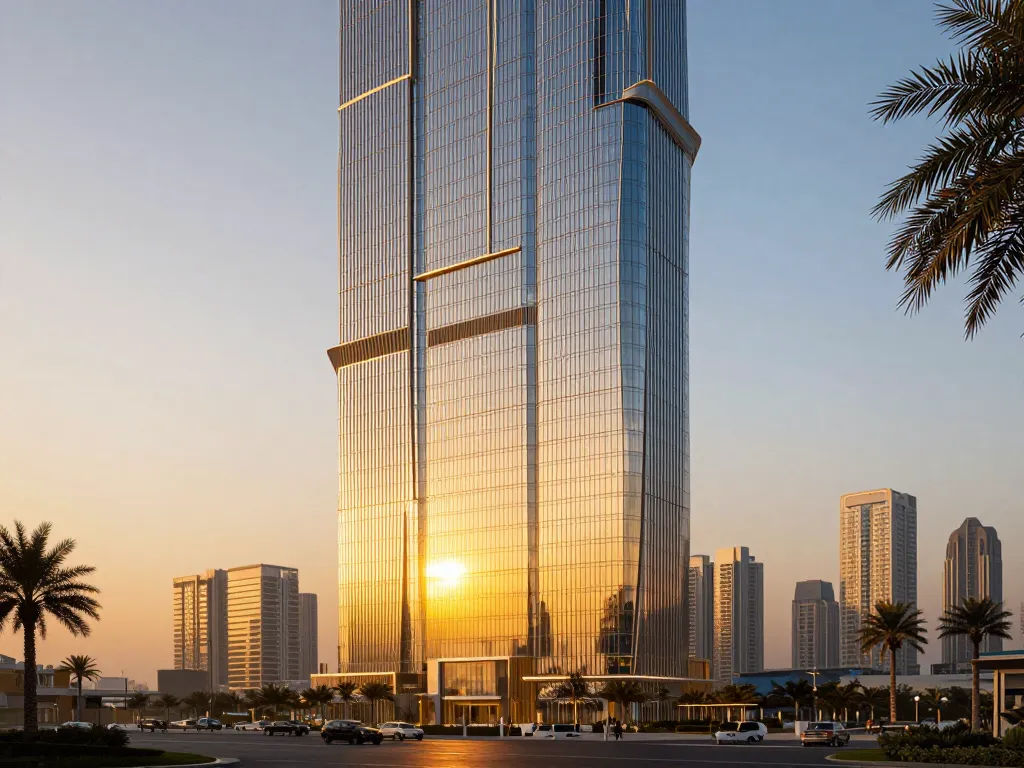
- Offices. From a single desk in a business centre to a full floor in a tower. Mainland offices need DET (Department of Economy and Tourism) approval of the premises; free-zone offices come with the free zone’s own licence.
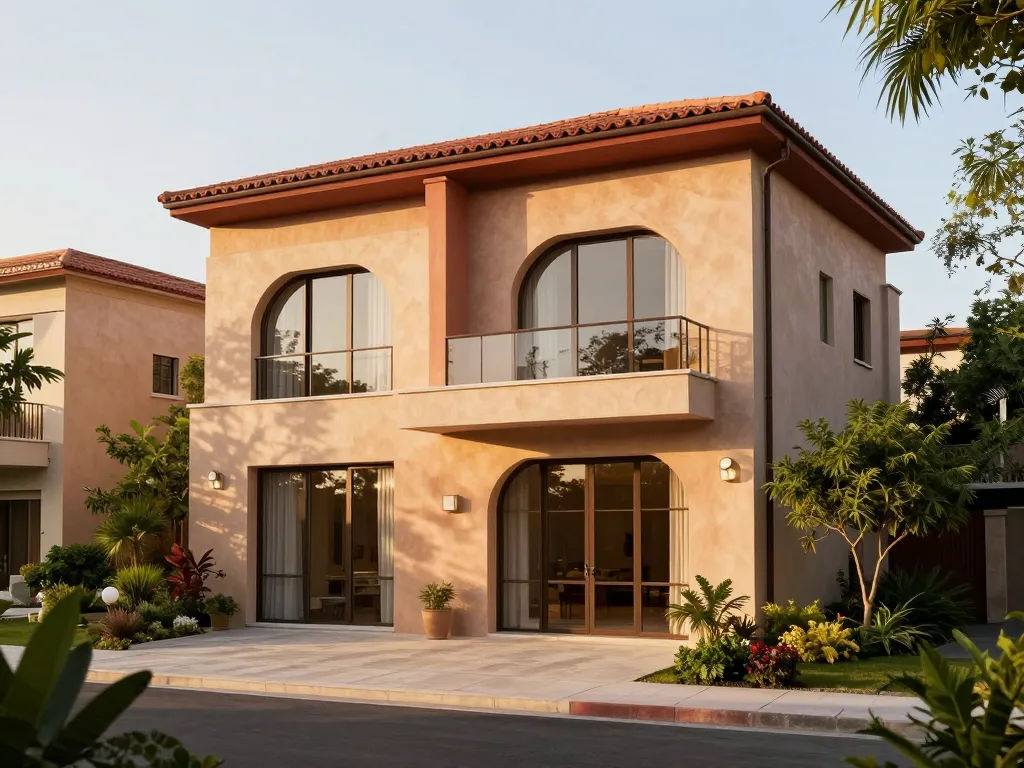
- Retail and shops. Ground-floor units in towers, mall shops, and standalone showrooms. Rent is usually quoted per square foot per year and often includes a percentage-of-turnover clause in malls.
- Warehouses and industrial. Al Quoz, Dubai Investment Park, Jebel Ali, Dubai Industrial City and Ras Al Khor. Priced per square foot with a separate charge for power load.
- Labour accommodation, clinics, schools and restaurants are commercial too, but each needs its own authority approvals (Dubai Municipality, DHA, KHDA, food control) before the lease can be registered.
- Business centres and flexi-desks. A licensed desk or small office rented by the month, with Ejari included. The fastest way to get a mainland licence address.
What commercial space costs in Dubai
Offices are quoted per square foot per year. Prime districts rose sharply in 2024 and 2025 and supply is tight in Grade A towers.
| District | Typical office rent (AED per sq ft per year) | Notes |
|---|---|---|
| DIFC | 250 to 500+ | financial free zone, highest rents in the city |
| Downtown and Trade Centre | 250 to 370 | prime Grade A towers |
| Business Bay | 120 to 180 | largest supply of mid-range offices |
| Jumeirah Lakes Towers (JLT) | 100 to 160 | DMCC free zone, strata towers |
| Dubai Internet City and Media City | 120 to 200 | tech and media free zones |
| Deira and Bur Dubai | 70 to 110 | older stock, mainland, good for trading companies |
| Al Quoz | 60 to 100 (office), 30 to 60 (warehouse) | industrial and creative |
Citywide, market reports put the average office rent somewhere between AED 120 and 240 per square foot in early 2026, depending on which grade of building is counted. Expect to pay the top of a district’s range for a fitted unit with a view, and the bottom for shell and core on a low floor.
Retail is more varied. A small shop in a residential tower in Al Barsha, Jumeirah Village Circle or Dubai Silicon Oasis can start around AED 60,000 to 120,000 a year. Prime mall and Downtown frontage runs into the millions. Warehouses in Al Quoz and Dubai Investment Park are commonly listed between AED 30 and 60 per square foot, with Jebel Ali Free Zone priced separately by the authority.
Browse live asking prices on commercial property for rent in Dubai and compare them with the ranges above before you negotiate.
Rules that apply to a commercial tenant
You need a trade licence, or a plan to get one
A landlord can only register a commercial lease to a licensed business. For a mainland company the order is: pick the unit, sign the tenancy contract, register Ejari, then DET issues or renews the licence against that Ejari. For a new company the landlord will usually accept the DET initial approval and the company name reservation, with the licence to follow. In a free zone, the free zone authority issues both the lease and the licence together.
The unit must be zoned for your activity
A commercial licence cannot be registered against a residential unit, and a restaurant cannot open in an office tower without a kitchen approval. Ask the landlord for the title deed and check the unit’s use (“commercial”, “retail”, “office”, “industrial”) matches your licensed activity before paying a deposit.
Ejari is mandatory
Every tenancy in Dubai, commercial included, must be registered on Ejari through the Dubai REST app or a typing centre. Without the Ejari certificate you cannot get a DEWA connection, a trade licence or a telecom line, and you have no standing at the Rental Dispute Centre. Registration costs a few hundred dirhams.
Rent increases follow the RERA index
Commercial leases are covered by the same rent cap rules as residential ones. The landlord can only raise the rent at renewal within the percentage the RERA rental index allows for that area and unit type, and must give 90 days’ notice. Check the index on the Dubai Land Department site before accepting an increase.
VAT applies
Commercial rent is subject to 5 percent VAT. If your business is VAT-registered you recover it; if you are below the registration threshold, the 5 percent is a real cost. Residential rent is exempt, which is why a flat quoted at AED 100,000 and an office quoted at AED 100,000 do not cost the same.
The hidden costs on top of the rent
Budget for all of these before you sign.
| Cost | Who pays | Typical amount |
|---|---|---|
| Security deposit | tenant | 5 percent of annual rent for a fitted unit, up to 10 percent for shell and core |
| Agency commission | tenant | 5 percent of annual rent plus VAT |
| Ejari registration | tenant | about AED 200 to 250 |
| Service charges | often the landlord, sometimes passed on | AED 15 to 45 per sq ft per year in towers |
| Chiller or district cooling | tenant in many towers | a capacity charge plus consumption, can be 10 to 20 percent of rent |
| DEWA connection deposit | tenant | AED 2,000 and up for commercial, more with a high power load |
| Fit-out | tenant | AED 100 to 400 per sq ft for a shell-and-core office |
| Fit-out approvals | tenant | building management, Dubai Civil Defence and municipality fees |
| Signage | tenant | DET or free zone signage permit plus the sign itself |
| Municipality market fee | tenant, via DEWA bill | a percentage of the annual rent for commercial tenants |
The biggest variable is fit-out. A “fitted” or “Cat A” unit has ceilings, lighting, air conditioning and flooring. “Shell and core” has none of that, and you pay to install everything, then you need a fit-out permit from the building and civil defence before you can trade. Always ask for a rent-free fit-out period, commonly one to three months, when you take shell and core.
How to rent commercial property in Dubai, step by step
- Define the need. Square footage, power load, parking, loading access, foot traffic, and whether you need a mainland or free-zone address. A trading company that sells to the UAE market usually needs mainland; a consultancy with foreign clients may be happier in a free zone.
- Get licence pre-approval. For mainland, obtain DET initial approval and reserve a trade name. For a free zone, apply for the licence; the zone will offer space.
- Shortlist units. Search commercial property for rent in Dubai and visit at least three. Check the AC, the power, the loading area and the condition of the common areas.
- Check the paperwork. Title deed, the landlord’s or agent’s authority to lease (a RERA-registered broker should show a licence number), the building’s service-charge schedule and any chiller contract.
- Negotiate. Rent, number of cheques (one to four is normal for commercial, twelve is rare), rent-free fit-out period, who pays service charges, break clause and renewal terms. Everything agreed goes into the contract and its addendum.
- Sign and pay. Tenancy contract on the standard Dubai form plus an addendum, cheques for rent and deposit, and the agency commission.
- Register Ejari. Through Dubai REST or a typing centre with the contract, the title deed copy, the trade licence or DET initial approval, and the tenant’s passport or Emirates ID.
- Connect DEWA and cooling. Open the account against the Ejari number and pay the deposit.
- Fit out and get approvals. Submit drawings to the building and civil defence, complete the work, obtain the completion certificate.
- Finalise the licence and signage permit, then open.
Allow four to eight weeks from shortlist to opening for a fitted office, and three to six months for a shell-and-core shop or restaurant.
Buying instead of renting
Many searches for commercial space in Dubai Festival City, Al Reem Island, Dubai Internet City and JBR are about buying retail or office units. Commercial units can be bought freehold by foreigners in designated areas, with a 4 percent DLD transfer fee and VAT at 5 percent on the purchase price of a commercial property (residential sales are exempt or zero-rated). Yields on well-let retail and offices have been running above residential yields, which is why investors are chasing them, but vacancy risk is higher: an empty shop pays no rent and still owes service charges. Browse commercial property for sale listings and check the DLD transaction history for the building before buying.
Related guides: short-term warehouse rentals in Dubai.
Frequently asked questions
Can I run a business from a residential flat in Dubai? Only a limited set of home-based activities under specific licences. A standard commercial licence needs a commercial Ejari. If you only need a desk, a business centre flexi-desk is the cheapest compliant option.
How many cheques is normal for commercial rent? One to four. Landlords of prime offices often insist on one or two. Twelve cheques is uncommon outside small shops.
Is the security deposit refundable? Yes, once you hand the unit back in the agreed condition. For fitted-out units the contract usually requires reinstatement to the original state, which can cost more than the deposit, so negotiate a “leave as is” clause if your fit-out adds value.
Do I pay VAT on commercial rent? Yes, 5 percent on top of the rent. The landlord must be VAT-registered to charge it and must give you a tax invoice.
What is the difference between mainland and free-zone commercial property? A mainland unit sits under DET and lets you trade anywhere in the UAE. A free-zone unit comes with the zone’s licence, 100 percent foreign ownership was always allowed there, and trading onshore needs a distributor or a mainland branch. Since the 2021 ownership reforms, most mainland activities also allow full foreign ownership, so the choice is now mostly about location, cost and your customers.
Looking for space now? See the latest commercial property for rent in Dubai on Waqov, or read our Dubai rental guide 2026 for the rules that apply to every tenancy.
Ready to Reach Buyers Across the UAE?
List your items on Waqov and reach buyers across the UAE. Most categories are free to start, and posting takes just a few minutes.
✓ Free listing ✓ Quick responses ✓ Verified buyers
Area Guides
Explore Dubai neighborhoods
Market Research
Prices, trends & data
Free Tools
Calculators & checkers